Metal roofing panels are popular for durability, versatility, and long-term value. As a seasoned roofing professional with years of product evaluation experience, I will guide you through the essentials: what metal roofing panels are, the main materials, their benefits and drawbacks, cost considerations, and how to choose the right option for your project.
What are metal roofing panels?
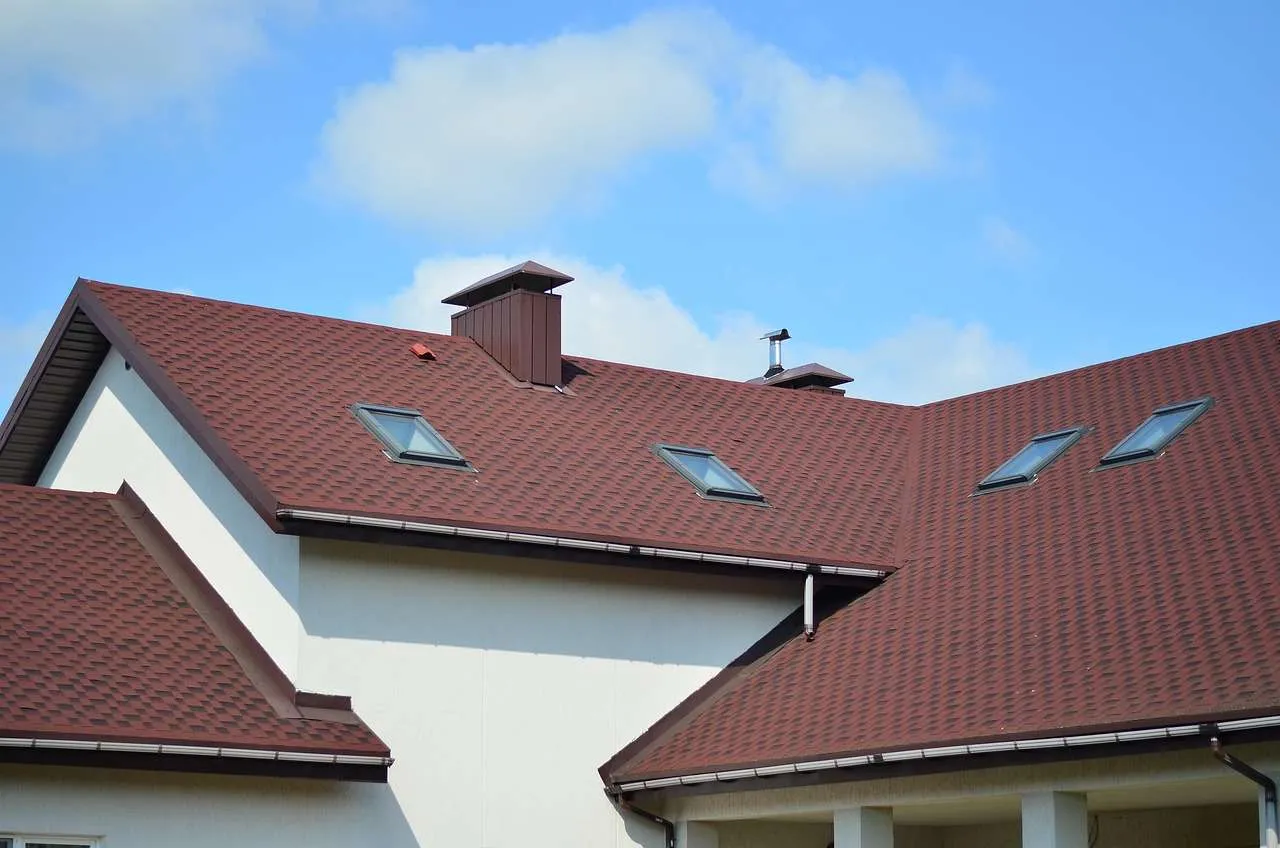
Metal roofing panels are long, standardized sheets or panels made from metal such as steel, aluminum, zinc, or copper. They are formed with raised ribs or interlocking profiles that shed water efficiently and provide strength with relatively light weight. Modern coatings protect the metal from corrosion, and the panels are installed in overlapping seams to create a weather-tight roof. Compared with traditional asphalt shingles, metal panels offer superior wind resistance, fire resistance, and a longer service life.
Common types of metal roofing panels
Steel and galvanized steel
Steel panels, including galvanized and galvalume variants, are the most common option. They balance strength and cost, with coatings that resist corrosion and a finish that can mimic other styles. The panels can be more economical upfront but may require periodic maintenance in harsh climates.
Aluminum
Aluminum panels are lighter and highly resistant to corrosion, making them ideal for coastal environments. They typically cost more than steel but offer excellent longevity with low maintenance.
Zinc and copper
Zinc and copper provide distinctive aesthetics and longevity. Copper develops a patina over time, while zinc offers natural corrosion resistance. These are premium choices with higher upfront costs but long-term value and unique appearance.
Coatings and finishes
Coatings such as PVDF or polyester and color-coated finishes extend life, improve UV resistance, and allow a broad palette of colors. Finishes influence energy performance and warranty terms, so choosing the right coating is essential for climate and budget.
Benefits of metal roofing panels
Durability and lifespan are the standout advantages. Metal panels resist wind uplift, hail, and fire, and they shed snow and rain efficiently. They are relatively lightweight, reducing structural load, and many profiles offer energy efficiency through reflective coatings. Maintenance demands are generally low, with periodic inspections and cleaning sufficient to maintain performance. For homeowners, metal roofs can translate into lower life-cycle costs and better resale value, especially when paired with a strong warranty.
Costs and installation considerations
Costs vary by material, profile, thickness, and the complexity of your roof. A typical installed metal roof can range from a few dollars to more per square foot, often higher upfront than asphalt but lower in maintenance over time. Installation requires a qualified roofer familiar with the panel system, underlayment, flashing, and edge details to ensure performance and warranty validity. Local climate, roof pitch, and existing structure influence the final price. Always verify product warranties, installation warranties, and required ventilation to maximize long-term benefits.
Maintenance and durability
Metal roofing panels demand less maintenance than many other roof types, though periodic checks are important. Look for loose fasteners, sealant wear, and coating degradation. Clean gutters and remove debris to prevent standing water that can cause corrosion in some finishes. A properly installed metal roof can last 40 to 70 years depending on material and climate, with many manufacturers offering robust warranties, which underscores the product's durability and reliability.
Choosing the right panel for your project
When selecting metal roofing panels, assess climate, budget, aesthetics, and roof design. Coastal environments favor aluminum for corrosion resistance, while inland or rural areas with heavy hail might benefit from thicker steel panels. Consider profile options such as standing seam for a sleek look and enhanced weather sealing, or exposed fastener panels for a more economical choice. A local contractor can help map out a design that aligns with building codes, warranty requirements, and energy-efficiency goals.
Comparison of metal roof panel materials
| Material | Weight | Durability | Cost | Best For |
| Steel (galvanized/galvalume) | Moderate | High | Medium | Value-heavy projects; general use |
| Aluminum | Light | Very High (corrosion-resistant) | High | Coastal, low-maintenance |
| Zinc | Moderate | Very Long lifespan | Premium | Patina look; long-term value |
| Copper | Heavy | Excellent longevity | Premium | Distinctive design |
| Galvalume | Moderate | Good | Medium | Balanced option |
Conclusion
Conclusion, metal roofing panels offer durable performance, energy efficiency, and a long service life when installed correctly. By understanding material options, coatings, and installation considerations, you can choose the right panel for climate, budget, and design goals. Work with a licensed roofer to confirm warranties and ensure proper ventilation, flashing, and underlayment. With thoughtful selection and professional installation, metal roofing panels deliver dependable protection and lasting value for your property.