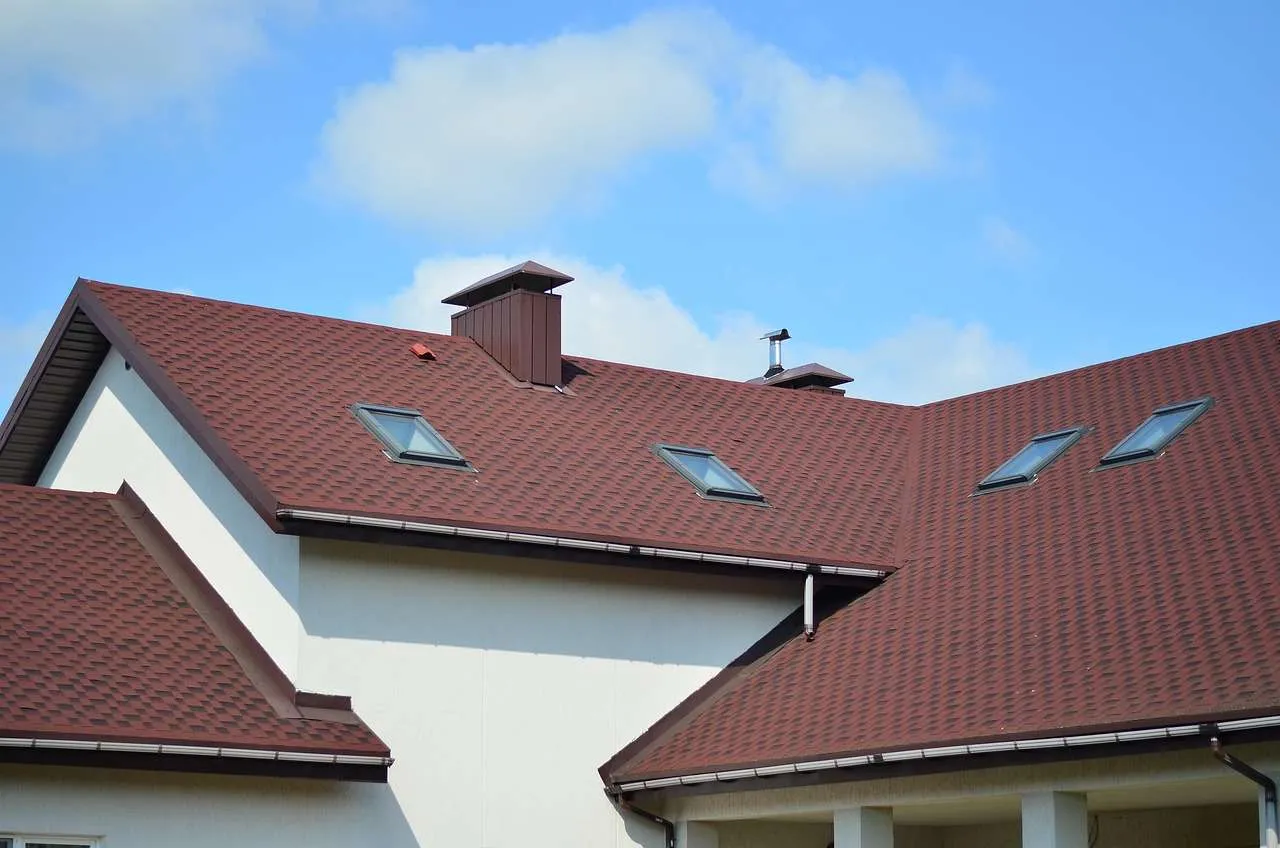
TPO roofing is a popular single ply membrane used on flat and low slope roofs for commercial buildings and increasingly for select residential projects. It is known for its energy efficiency, affordability, and ease of installation. This guide covers what TPO roofing is, the benefits and drawbacks, installation considerations, maintenance, cost comparisons, and how to choose a qualified installer. The content follows EEAT principles by presenting practical guidance aligned with industry standards and best practices.
What is TPO roofing
TPO stands for thermoplastic polyolefin, a flexible, reflective membrane that is typically installed on rooftops with mechanical attachment, full adhesion, or ballasted systems. Common thicknesses range from 40 to 60 mils, and the bright white or light gray surface helps reflect sunlight, lowering cooling loads in hot climates. TPO membranes are heat welded at seams, creating watertight joints when properly installed.
Benefits of TPO roofing
- High reflectivity and energy efficiency reduce cooling costs, especially on commercial buildings with large roof areas.
- Cost effective and relatively quick to install compared with some membrane options.
- Light colored surfaces help minimize heat absorption and can lower indoor temperatures.
- Strong seam integrity when heat welded, providing durable waterproofing.
- Chemical and UV resistance contribute to long-term performance in diverse climates.
Common drawbacks
- Quality can vary by manufacturer, and aging performance may differ between products from different suppliers.
- Extreme heat and sun exposure can impact certain adhesives if installation is not performed correctly.
- Seam workmanship is critical; improper heat welding or seam cleaning can lead to leaks over time.
- Some installers offer cheaper grades that may have shorter lifespans or require more maintenance.
Installation considerations
Choosing between fully adhered, mechanically attached, or ballasted systems depends on the building, climate, and warranty terms. Key considerations include roof deck condition, insulation, ventilation, and wind uplift requirements. A qualified contractor should perform a site assessment, provide a written warranty, and follow manufacturer installation guidelines to maximize performance.
Maintenance and longevity
Regular maintenance extends the life of a TPO roof. Schedule annual inspections to check for loose seams, membrane shrinkage, and ponding water. Remove debris, wash the surface to prevent dirt buildup, and address any ponding or standing water promptly. Typical TPO lifespans range from about 15 to 20 years, with factory warranties commonly spanning 15 to 20 years. Proper installation and maintenance help preserve reflectivity and performance over time.
Costs and comparison
Understanding cost helps in budgeting and selecting the right material for a given project. The table below compares common flat roof membranes, including typical lifespan and installed costs.
| Membrane | Lifespan | Installed Cost per Sq Ft | Pros | Cons |
|---|---|---|---|---|
| TPO | 15–20 years | 5–8 | Energy efficient; easier seams; cost effective | Quality varies by manufacturer |
| EPDM | 20–25 years | 4–7 | Durable; highly flexible; lower initial cost | Lower reflectivity; less energy savings |
| PVC | 20–30 years | 6–9 | Very durable; strong seams; good chemical resistance | Higher installed cost |
Choosing a qualified installer
To maximize EEAT, work with licensed, insured professionals who have manufacturer training and a solid portfolio of similar projects. Verify references, inspect previous installations, and request written warranties for both materials and workmanship. Confirm that the contractor prepares the roof deck according to the membrane specifications and that ventilation and insulation meet local code requirements. A reputable roofer should provide a clear scope, timeline, and a post install maintenance plan.
As part of due diligence, check for certifications from the membrane manufacturer, proof of liability insurance, and a detailed warranty covering seam integrity and workmanship. Remember that even the best membrane needs proper installation and ongoing maintenance to deliver long-term performance.
Conclusion, when TPO roofing is installed by qualified professionals and properly maintained, it offers a durable, energy efficient solution with favorable lifecycle costs for flat roof systems across commercial and selected residential applications.