Overview: Roofing and Roof Repairs
Protecting a home from weather and water intrusion starts with solid roofing. This guide covers essential topics for homeowners seeking reliable roofing and roof repairs, from recognizing common issues to choosing a qualified contractor. By focusing on EEAT — Expertise, Experience, Authority, and Trust — you'll find practical, trustworthy guidance that helps you make informed decisions.
Why Expertise and Trust Matter
Roofing is a specialized trade that requires technical knowledge, safety training, and compliance with local codes. Licensed contractors, manufacturer certifications, and warranty-backed roof work demonstrate authority and reliability. When evaluating a roofer, look for proof of licensing, insurance, project portfolios, and written estimates. Transparent communication and clear warranties are signs of trustworthiness that protect you long after the job is done.
Common Roofing Problems
Understanding frequent issues helps homeowners spot trouble early. Common problems include:
- Leaking and water stains on ceilings or walls
- Damaged or missing shingles and curling edges
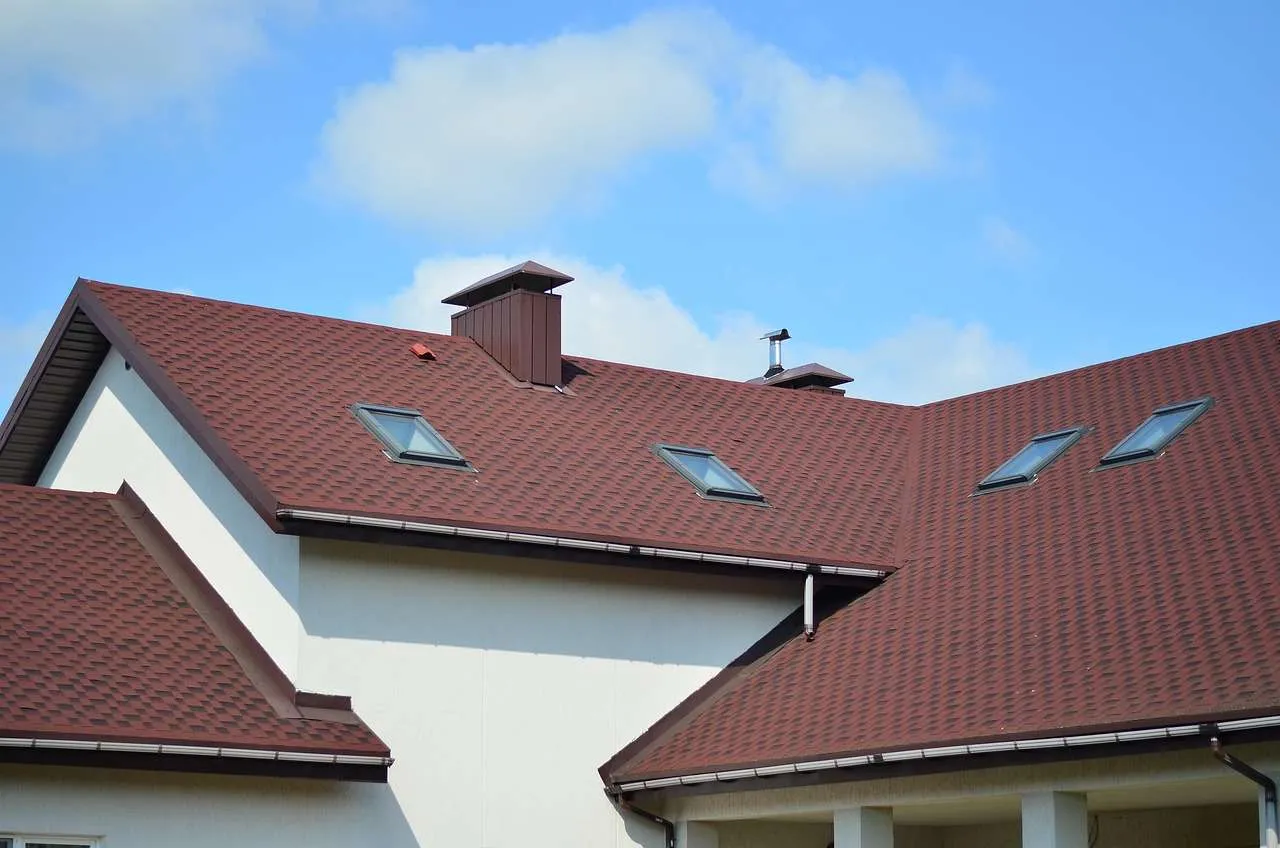
- Damaged flashing around chimneys, vents, and skylights
- Clogged gutters and poor attic ventilation
- Moss, algae, or excessive debris that accelerates wear
Preventive Maintenance and Inspections
Regular inspections (at least once a year) and proactive maintenance extend roof life. Practical steps include:
- Schedule professional inspections after severe storms or hail
- Clean gutters and downspouts to prevent water backup
- Trim branches that overhang the roof to reduce damage from drops and debris
- Check attic insulation and ventilation to prevent ice dams and heat buildup
- Remove moss and debris promptly and seal small issues before they grow
Repair Options
Repair strategies depend on the problem, roof type, and remaining life. Options include:
- Small shingle repairs or resealing flashing
- Tile or shingle replacement in localized areas
- Flashing realignment or replacement at vents and chimneys
- Partial roof replacement when extensive damage is present
- Emergency repairs such as tarping to prevent further water intrusion
DIY vs Professional Roofing
DIY roofing is tempting for minor issues but carries significant risks. Falls, structural damage, and improper installations can lead to higher costs and voided warranties. Benefits of hiring a professional include guaranteed warranties, proper safety protocols, adherence to building codes, and long-term performance. DIY may be reasonable for non-structural tasks on simple roofs with proper safety equipment and experience.
Choosing a Roofing Contractor
Selecting the right contractor is crucial for EEAT. Consider these steps:
- Verify licensing and insurance coverage, including workers' compensation
- Ask for manufacturer certifications and written warranties
- Review a portfolio of completed projects and customer references
- Get multiple written estimates and compare scope, materials, and timelines
- Confirm clean site practices and post-project cleanup expectations
Cost Considerations
Roofing costs vary by roof size, material, complexity, and location. When evaluating quotes, consider not only the upfront price but also the scope of work, material quality, warranty terms, and expected longevity. Ask about permit fees, disposal costs, and potential energy-efficiency improvements that can reduce long-term expenses.
Comparison: DIY vs Professional Roof Repair
| Aspect | DIY | Professional Roof Repair |
|---|---|---|
| Skill required | Basic to moderate | Advanced, industry training |
| Time to complete | Typically longer for non-experts | Faster with crews and tools |
| Safety risk | High in many scenarios | Low due to licensed crews and safety gear |
| Warranty | Usually none | Manufacturer and workmanship warranties |
| Quality of outcome | Variable | Consistent and code-compliant |
When you face a roof issue, assess the problem, your comfort with height and safety, and the value of warranties. For leaks or structural concerns, professional repair is generally the safer and more durable choice, especially when the roof is near the end of its expected life.
Conclusion, a well-chosen roofing contractor delivers lasting protection, adheres to codes, and provides warranties that safeguard your investment. By recognizing common problems, prioritizing preventive maintenance, and selecting a qualified professional, you ensure a durable roof and long-term peace of mind.