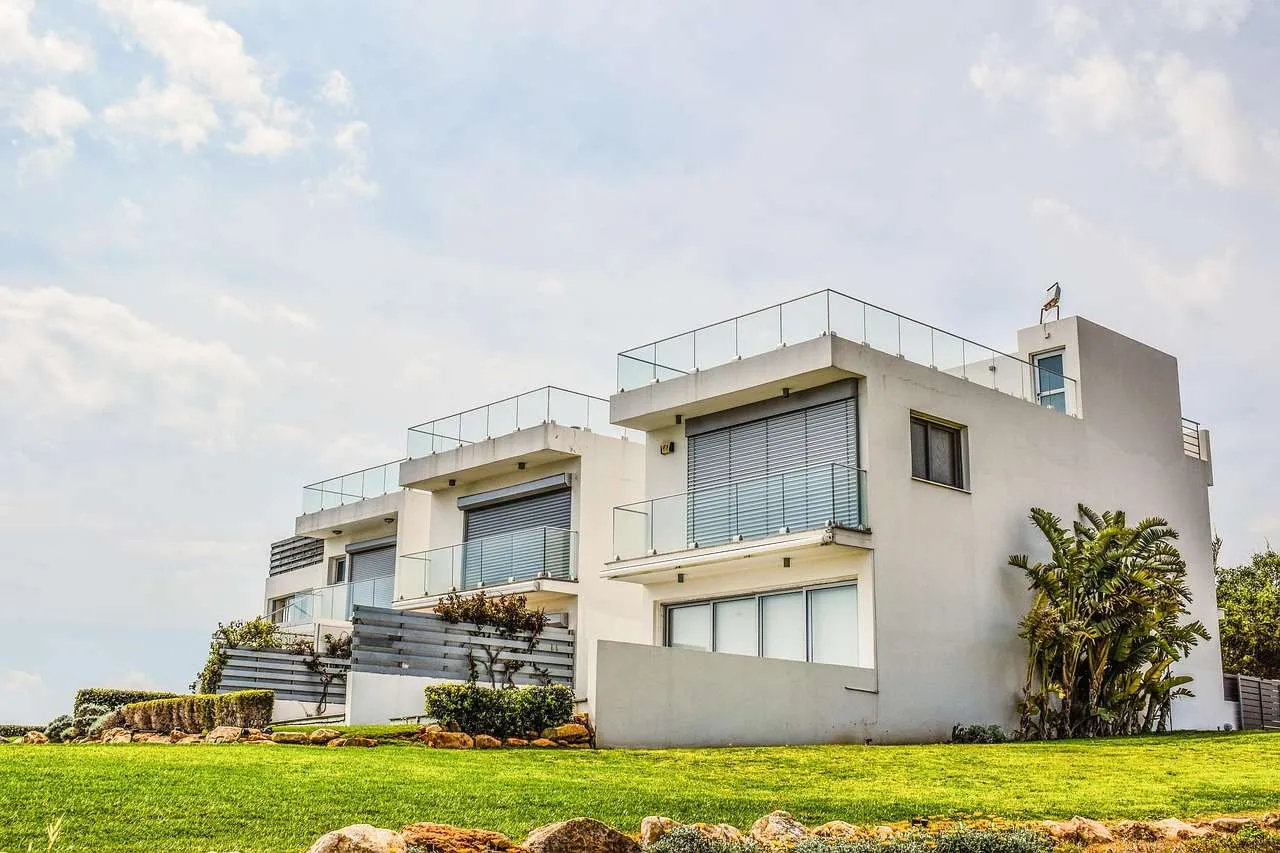
For flat and low-slope roofs, EPDM roofing stands out as a durable, economical choice. EPDM, short for ethylene propylene diene monomer, is a synthetic rubber membrane that protects against water intrusion while staying flexible through temperature changes. Widely used on residential, commercial, and industrial buildings, EPDM offers decades of service when installed by skilled professionals and maintained properly.
What is EPDM roofing?
EPDM roofing is a single-ply membrane made from a synthetic rubber compound designed for long-term waterproofing. The material resists aging, ozone, and weathering while maintaining elasticity to accommodate roof movement and thermal expansion. Typical EPDM membranes come in black or white options, with thickness commonly measured in mils (eg, 45 mil or 60 mil). White EPDM, also called reflective EPDM, helps reduce cooling loads in hot climates, while black EPDM remains a cost-effective standard for many projects.
Benefits of EPDM roofing
- Durable waterproofing with a long service life, often 25–30 years or more with proper maintenance.
- High flexibility that tolerates building movement and temperature extremes without cracking.
- Cost-effective material and installation compared with some other flat-roof systems.
- Low maintenance requirements and straightforward repair options for punctures or seam issues.
- Versatile installation methods (adhesive, mechanical attachment, or ballast) to fit different roof assemblies.
- Reflective white EPDM can improve energy efficiency by lowering cooling costs in sunny climates.
Common installation methods and materials
Choosing the right installation method depends on roof design, climate, and project goals. The three main approaches are fully adhered, mechanically attached, and ballasted systems. Fully adhered EPDM uses a seam adhesive or seam tape to bond the membrane to the substrate, delivering a smooth surface with strong wind resistance. Mechanically attached systems fasten the membrane to the deck using mechanical anchors, which can be quicker to install. Ballasted applications rely on weight, typically with pavers or gravel, to hold the membrane in place and often suit retrofits or environments where mechanical anchoring is challenging.
Color and finish options
In addition to traditional black EPDM, white or light-colored EPDM membranes are available to reflect sunlight and potentially reduce cooling energy use. The choice between colors should consider climate, roof slope, ponding risk, and the presence of rooftop equipment.
Thickness and seams
Thicker membranes (eg, 60 mil) offer greater puncture resistance and longer life in high-traffic or debris-prone settings. Seams are a critical consideration; compatible sealants or seam tapes are used to weatherproof lap joints. A qualified installer will ensure proper seam quality, inspection, and testing to prevent leaks over time.
Lifespan, maintenance, and warranties
EPDM roofs require periodic inspection and maintenance to identify punctures, seam gaps, or areas of ponding water. Routine cleaning, prompt patching of any damage, and proper drainage are key to extending lifespan. Manufacturer warranties typically range from 15 to 30 years, depending on substrate, installation method, thickness, and climate. Working with a licensed roofer who follows manufacturer guidelines improves warranty coverage and long-term performance.
Cost considerations and contractor selection
EPDM roofing generally offers strong value for flat roofs. Installed costs vary by roof size, membrane thickness, chosen installation method, and access to the site. Expect a wide price range per square foot, influenced by labor, adhesives or tapes, and underlayment. When budgeting, consider not only the membrane but also edge details, flashing, drainage improvements, and future maintenance. To protect your investment, hire a contractor with proven EPDM experience, verifiable references, and strong safety and warranty practices. Verify that the installer aligns with the chosen membrane and that the project includes a written warranty from both the manufacturer and the contractor.
EPDM vs alternatives: a quick comparison
| Feature | EPDM | TPO | PVC | BUR |
|---|---|---|---|---|
| Avg lifespan | 25–30+ years | 15–20 years | 20–30 years | 15–25 years |
| UV resistance | Good, with reflective options | Good, often reflective | Excellent UV resistance | Moderate |
| Durability | Very flexible, puncture resistant | Rigid-to-flexible mix depending on formulation | Puncture-resistant but sensitive to heat | Very durable, multiple plies |
| Installation | Adhered, mechanically attached, or ballast | Typically mechanically attached or adhered | Typically adhered | Built-up, ballast, or torch-down |
| Cost | Lower to mid | Mid | Higher | Moderate |
| Energy efficiency | White variants offer cooling benefits | Often reflective | Reflective variants exist | Varies with finish |
Choosing the right EPDM roofing solution
To maximize EEAT, consult with licensed professionals who can assess climate, roof structure, drainage, solar exposure, and long-term maintenance needs. A reputable installer will provide a written plan, discuss warranty coverage, and offer a clear comparison between EPDM options and alternative systems. Consider ongoing maintenance costs and potential energy savings when evaluating total cost of ownership over the roof’s life.
In summary, EPDM roofing combines durability, flexibility, and cost-effectiveness for flat and low-slope roofs. Its versatile installation options and availability in reflective finishes make it suitable for a wide range of building types and climates. By selecting a qualified contractor, choosing the appropriate membrane thickness and color, and planning for proper drainage, you can achieve a reliable waterproof barrier with a favorable long-term return on investment.
Summary EPDM roofing provides long-term durability, cost efficiency, and easy maintenance for flat roofs. When installed by qualified professionals, it delivers a reliable waterproof membrane with flexibility to accommodate movement and temperature changes, making it a smart, sustainable choice for modern buildings.