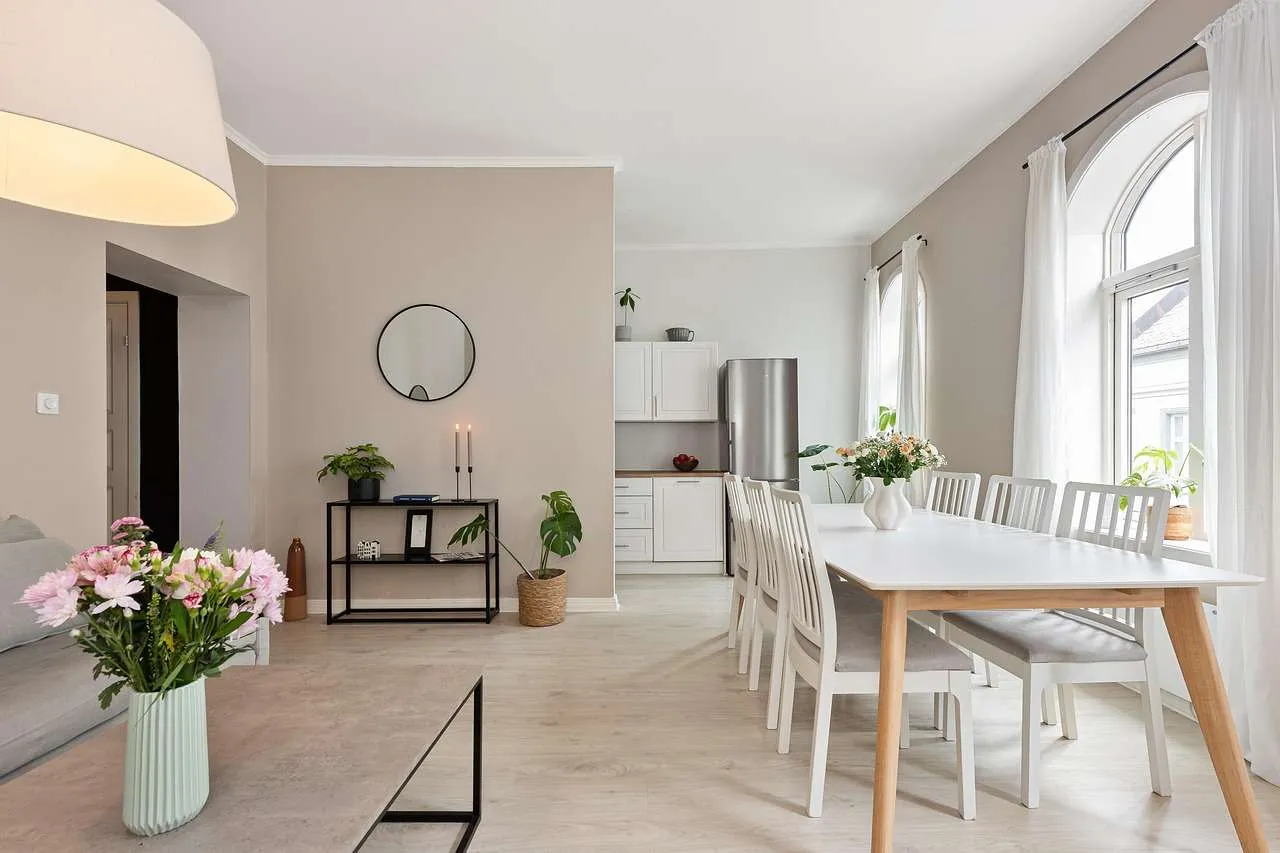
Home window tinting is a practical upgrade for modern homes. It involves applying a thin film to interior or exterior glass to control light, heat, and UV exposure. When done correctly, it enhances comfort, lowers energy bills, and adds privacy without sacrificing natural daylight. This article explains what home window tinting is, the key benefits, the main tint options, how to choose the right film, and what to expect from professional installation. It aligns with expert guidance and best practices to support informed decisions.
What is home window tinting?
Home window tinting uses specialty films designed for residential glass. The films absorb or reflect a portion of solar radiation before it enters the home. They can be dyed, metallic, ceramic, or carbon based, each with distinct performance traits. Modern tint films are engineered to preserve visible light while reducing heat, UV damage, and glare. Because tinting affects both daylight and privacy, many homeowners combine aesthetic goals with energy efficiency when selecting a film.
Benefits of home window tinting
Energy savings
Tinting reduces heat gain in summer and heat loss in winter, lightening the load on heating and cooling systems. In hot climates, this can noticeably lower monthly energy bills and improve occupant comfort during peak sunlight hours.
UV protection
Most residential films block up to 99 percent of UV rays, helping protect furnishings, flooring, and artwork from fading. This preservation extends the life of interior finishes while maintaining room color quality.
Privacy and aesthetics
Tints provide daytime privacy by limiting visibility from the outside while still letting you see out. Films come in various shades and tones to complement architectural style and outdoor views without creating a bulky look.
Safety and security
In the event of breakage, some films hold glass fragments together, reducing risk of injury. Some options also offer added shatter resistance, which can deter intruders and improve overall home security.
Types of tint for homes
Dyed films
Dyed films absorb heat and reduce glare but may be less durable over time and can show changes in color with sun exposure. They are usually a cost effective option for modest energy savings and privacy.
Metalized films
Metalized films reflect a portion of sunlight, offering strong heat rejection and glare control. They may interfere with some electronics and satellite signals, so installation planning is important.
Ceramic films
Ceramic films provide superior heat rejection without metallic interference. They maintain clarity, resist fading, and offer excellent UV protection, making them a popular premium choice.
Carbon and other advanced films
Carbon-based films balance heat control and aesthetics with good light transmission. They tend to resist discoloration and maintain a natural look over time.
Choosing the right tint for your home
Consider the following when selecting a film:
- Climate and sun exposure: hotter regions benefit from higher heat rejection
- Visible light transmission (VLT): higher VLT keeps rooms bright; lower VLT increases privacy
- Glare reduction needs for TVs and workspaces
- Window type and frame compatibility
- HOA rules and local regulations on tint darkness
- Warranty and expected lifespan of the film
- Professional installation quality and aftercare
DIY vs professional installation
DIY tint kits exist, but professional installation delivers better results, especially on large or curved panes. Pros ensure proper surface preparation, bubble-free application, and long lasting adhesion. They also handle safety concerns when glazing is compromised or tempered glass is involved, reducing the risk of injury and warranty voids.
Costs and return on investment
Prices vary by film type, home size, window access, and labor. Ceramic and carbon films typically cost more upfront but offer higher performance and longer lifespans. When calculating ROI, consider energy savings, UV protection, furniture preservation, and potential increases in home value, balanced against installation costs.
Maintenance and care
Most films require only gentle cleaning with a soft cloth and non abrasive cleaners. Avoid ammonia based products which can degrade film over time. Periodic inspections by a tinting professional help ensure proper adhesion and identify any issues early.
Comparison of tint types
| Type | Light Transmission | Heat Rejection | UV Protection | Glare Reduction | Durability | Cost |
|---|---|---|---|---|---|---|
| Dyed | Medium | Moderate | Good | Moderate | Moderate | Low |
| Metalized | Low to Medium | High | Good | Good | Variable | Medium |
| Ceramic | High | Very High | Excellent | Excellent | High | High |
| Carbon | Medium | High | Very Good | Good | High | Medium |
Conclusion
Investing in home window tinting is a strategic decision for comfort, energy efficiency, and interior protection. By selecting the right film type, aligning with local rules, and using a qualified installer, you can maximize both immediate benefits and long term value for your home.
Summary: Home window tinting offers measurable energy savings, UV protection, privacy, and enhanced safety when paired with the right film and professional installation. Evaluate climate, sunlight, and rules, compare film types, and choose a qualified installer to achieve durable, aesthetically pleasing results across your living spaces.